
Why biometric clock-in ended our buddy-punching problem
Paper registers, card swipes, and unsupervised clock-in stations all fail in the same way — and we measured it across 800 officers.

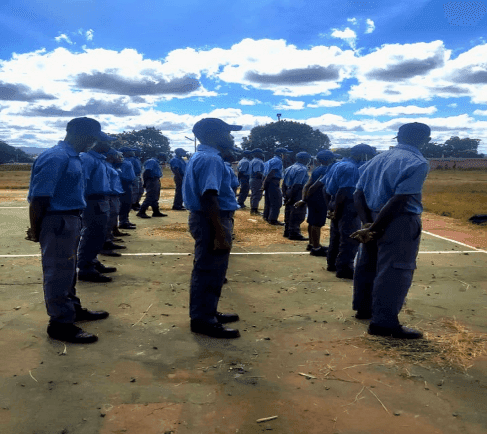
Buddy-punching — an officer clocking in for another officer who isn't physically on site — is the silent tax of any guarding operation. It's not reported, it's not audit-visible without specific tooling, and it quietly erodes the integrity of every shift report you produce.
What we measured
Before we rolled out face-verified clock-in across our field app, we spent six weeks with supervisor-led spot checks at 12 pilot sites. Officers clocked in via paper register and card swipe; supervisors independently verified presence at random times.
That's 1 in 13 clock-ins. At scale — 800+ officers across our network — that's a meaningful reporting error and a meaningful shift-integrity problem.
What changed
We deployed biometric clock-in across the field app: every shift starts with a face-verification capture on the device assigned to the officer. Offline-capable, GPS-stamped, logged immutably to the audit trail.
- The remaining 0.3% is almost entirely device-enrollment issues — officers mis-enrolled during onboarding, caught and corrected within a week.
- Officer pushback was lower than we expected. The honest ones wanted the change.
- Client-visible: shift-compliance reports now match camera footage every time.
If you're running a guarding operation without this
Your paper register is lying to you at a rate of around 8%. It's not personal — it's structural. The fix isn't more paperwork; it's better tooling. Happy to show you how it runs.