Protecting a 12,000-seat event, end to end
Accreditation workflow, entry-point design, control-room choreography, and the two things that almost went wrong.

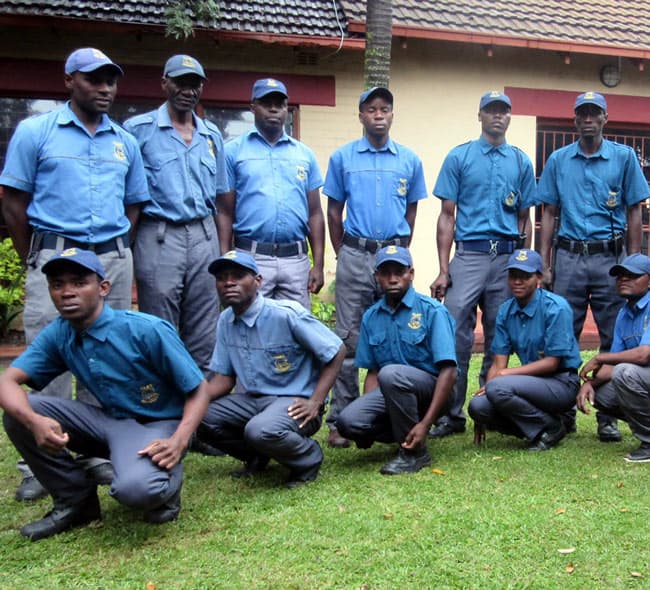
The event: a three-day cultural programme across a single main venue and four satellite stages. The number that matters: 12,000 peak concurrent attendees on the Saturday evening.
The accreditation workflow
Every attendee, artist, crew member and VIP received a unique QR code on their pass, tied to a specific zone-access profile. Staff, artists and VIPs had separate workflows with photograph capture and host confirmation. No general-admission attendee passes were issued in advance of the event — all were same-day, at dedicated accreditation windows, to prevent cloning.
Entry-point design
We separated staff entry, artist load-in, VIP arrival and general admission into physically distinct entry points. Each point had a two-layer scan: device-based QR verification at the outer perimeter, human supervisor check at the inner perimeter. The aim is redundancy without bottleneck.
We rehearsed the peak-queue scenario three times before gates opened on day one. That matters.
Control-room choreography
Our Harare ops centre ran the event remotely, with a satellite operations booth on site. Every entry point, every zone boundary, and every response team was on a single dispatch view. Voice communications piped through our PTT platform; video streams from each gate fed the control-room floor.
We did not want the event to be the first time anybody had used the tooling. Everyone had rehearsed on it — supervisors, artists' handlers, medical, everyone.
The two things that almost went wrong
First: on Friday evening, our QR scanner batch calibration was one minute out of sync with the ticketing system. Nothing failed — but two dozen early-arrivers were flagged 'pass not yet valid'. We caught it in ten minutes, pushed a correction, and nobody was turned away. That's a process win.
Second: Saturday, 19:40, a 400-person crowd surge at the main gate. Not security-related — artist appearing unexpectedly. We had pre-agreed a fallback wide-gate protocol with the venue; activated in under 90 seconds, no injuries, no escalation. That's a rehearsal win.
If you're planning a 5,000+ seat event in 2026
The three things that matter are: pre-event accreditation architecture, entry-point rehearsal, and control-room dispatch on the day. Budget for all three, or one of them will cost you on the night.